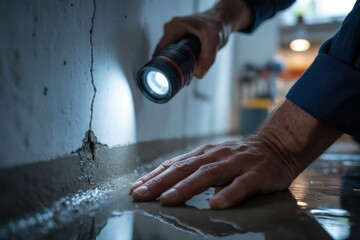
Your foundation is a silent hero that supports the rest of your home, and it can quickly go wrong. It is important to recognize warning signs early, and get them repaired before they escalate.
While minor hairline cracks due to normal settling are usually harmless, large horizontal and diagonal or stair-step cracks are indicative of significant movement and require immediate attention. Contact Foundation Repair Murfreesboro TN for more information.
Cracks in the Walls
Few things are more unsettling than discovering that your foundation is shifting or cracking. While many of these problems won’t announce themselves with dramatic fanfare, recognizing early warning signs can help you act fast to prevent major damage and save thousands in future repair costs.
Hairline cracks in a wall are a common sign of aging, but wider cracks may indicate structural issues that require immediate attention. A professional foundation specialist will be able to assess the severity of your problem and recommend appropriate remedial actions.
Vertical cracks that travel up or down the walls of a home are another serious warning sign and should be inspected regularly for progression. These cracks typically appear near the foundation of a house and indicate that expansive soils are building up against the foundation walls. Without immediate action, these cracks will progressively widen and could potentially lead to foundation collapse.
Diagonal cracks that run at a slant (45-75 degrees) from one point on the wall to another are also a significant cause for concern. This type of crack indicates uneven settling of the foundation, which is often due to moisture fluctuations that shift the weight of the soil. If left unchecked, this uneven settling will eventually result in the concrete basement walls bowing inward and possibly even cracking. Poor site preparation during construction can also create voids beneath the foundation that can sink when weight is applied, resulting in diagonal cracking.
Uneven Floors
Uneven floors are often a sign of structural damage and need immediate repair. A slight slope in the floor can occur as a result of natural settling, but unevenness that appears to be increasing over time is more likely caused by foundation problems. When these issues are left unchecked, they can lead to major structural damage and compromise the safety of the home.
In addition to a noticeable unevenness in the floor, you may also notice that doors and windows stick or that there are gaps between the walls and flooring. These issues indicate that the foundation is shifting or sagging. In order to fix these issues, you’ll need a professional to assess the damage and make the necessary repairs.
One of the most common causes of uneven floors is moisture-related, so addressing the source of the issue should be your first priority. This may involve improving drainage with a swale or other drainage solutions and repairing any leaky pipes. Moisture can also cause wooden flooring to swell and warp, further contributing to unevenness.
If the issue is caused by a structural problem, it will probably be necessary to have your entire foundation repaired. This can include adding additional support to load-bearing walls and beams or replacing damaged or weakened floor joists. Repairing the foundation will correct the uneven floors and help to prevent future movement, making your home safer and more comfortable for you and your family.
Sagging Floors
Sagging floors aren’t just a nuisance, they are a sign that something is wrong with the foundation of your house. Leaving them untreated will only make the problem worse and cost you more money in the long run. This is because sagging floors can lead to other structural issues like mold, which is hazardous to your family’s health and lowers the property value of your home.
If you notice that there is less and less space between the baseboards and the floor or the gap is getting wider in one corner, it is a sure sign that your floors are sagging. This is caused by the deterioration of wooden support beams called floor joists. These are a critical part of the house’s structure that connects to the foundation, wall studs, and subflooring. What impacts one area will impact the others.
Some common causes of sagging floors include excessive moisture in crawl spaces, pest infestations (especially termites), improper installation, and age-related wear and tear. All of these issues are serious and can cause structural damage to your home. This is why it is important to detect these issues early and work with a reputable company to repair them as quickly as possible.
Faulty Doors
If you find your doors are getting stuck or hard to open, it could be a sign that the foundation is shifting and uneven. When the foundation shifts, the door and window frames are also affected. This may leave spaces beneath or above the frames where they once were. If you notice this, have an expert come out to assess the situation.
Often, this issue is caused by water infiltration from the outside or from inside the home. Moisture in the crawl space can rot beams and damage the structure of your home. Water infiltration also leads to mold problems that may impact your family’s health.
Many people assume that a foundation repair will be very expensive. However, professional assessments and timely action typically save homeowners thousands in future repairs. Taking the time to learn about warning signs of stone foundation problems will help you make informed decisions and protect your home’s value.
The foundation is the unsung hero of your home, quietly supporting all the walls and floors above it. It’s essential to your property and safety, but it can be challenging to recognize early warning signs when they occur. Ignoring them can lead to major damage and costly repairs down the road. Recognizing these telltale signs and seeking prompt stone foundation repair will save you money, stress, and time. It will also ensure that your home’s integrity is preserved for years to come.
Sticky Windows
A window that’s hard to open or close is more than just an inconvenience. It’s a warning sign that your home’s foundation isn’t functioning properly, and that neglecting it won’t make the problem go away; it will only get worse over time.
Stickiness is a common issue, and it can be caused by both humidity and foundation problems. The former is the most common, and occurs when moisture soaks into wooden frames, causing them to swell. Eventually, the frame may jam against window stops or latches, creating points of friction that make opening and closing difficult.
However, if the issue isn’t temporary, and your windows are sticky year-round, then there may be a bigger problem at hand. If multiple doors and windows become sticky, this could indicate that your foundation is shifting or heaving upwards due to expansive soil. As the foundation shifts, it exerts pressure on nearby walls and pushes window frames out of their initial square fit, making them harder to open.
Luckily, NYC Foundation Repair offers expert solutions that address both causes of stickiness and prevent future issues. Our foundation stabilization services correct the underlying movement in your home’s foundation, restoring its ability to support your window frames and other structural components. We use floor leveling and helical pier techniques to repair out-of-square window frames and ensure long-term stability. We also install additional supports for heaving foundations, keeping them in place and preventing future settling.
Bowing Walls
Foundation problems rarely improve on their own, and left unchecked can lead to serious structural damage. It’s crucial to recognize early warning signs like cracks, uneven floors and bowing walls so that you can schedule repairs quickly before the situation worsens.
Bowing walls are a serious sign that you need immediate stone foundation repair, and they typically occur when the support wall of your home shows signs of pulling inward or bending. This happens when the outside pressure of soil pushes against your foundation, and it requires a professional inspection and stabilization solution.
A qualified foundation specialist can use a number of methods to stabilize bowed walls, from repointing and resetting stones to installing wall anchors. In more severe cases, a foundation specialist may need to excavate and stabilize the ground around your home.
Other warning signs that your foundation needs immediate repair include sinking ground, if the area surrounding your home appears lower than other parts of your property. If you notice that doors and windows begin to stick or won’t close, this is another indication of structural movement underneath your home. This can be caused by a number of issues, including moisture, termite infestation or sagging floors, but it’s also often a sign that your foundation is in trouble. If you want to address this issue quickly, a professional can recommend and implement effective solutions.