Reviving Spaces: The Art and Science of Cabinet Refinishing

A room can change completely with just one detail. Cabinet Refacing is that detail, often overlooked but incredibly powerful. It transforms spaces without the need for total renovation. And in doing so, it merges creativity with practicality in a way few other home projects can.
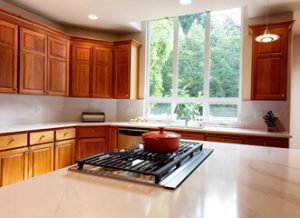
Cabinet Refinishing

At its core, cabinet refinishing is about renewal. Instead of tearing out and replacing existing units, it breathes new life into what’s already there. This approach preserves structure while completely altering appearance. It is a cost-effective, sustainable, and deeply rewarding alternative to full replacements.

The process begins with understanding the cabinets themselves. Every piece has a story, shaped by time, use, and material. Some may have worn finishes, faded colors, or outdated styles. But beneath the surface, their structure remains strong and ready for revival.

Preparation is the most critical part of refinishing. Surfaces must be cleaned thoroughly to remove years of grease, dust, and residue. Old finishes are stripped or sanded away, revealing the raw texture of the wood or composite beneath. This step lays the foundation for a flawless new surface.

Choosing the right finish is where creativity takes center stage. From classic stains that highlight natural grain to bold paints that redefine style, options are nearly endless. The finish determines not only the look but also the feel and durability of the cabinets. This decision sets the tone for the entire space.

Refinishing is more than a visual update—it is a sensory experience. A smooth satin surface or a rich matte texture can transform how a room feels. Even subtle shifts in color can change how light moves through the space. These details give a room depth, warmth, and character.

The beauty of refinishing lies in its versatility. It suits traditional interiors seeking timeless charm as well as modern spaces craving bold statements. Whether refreshing a rustic kitchen or updating a sleek bathroom, the process adapts to any aesthetic vision. Each project is a unique expression of style.

Sustainability is another key advantage of refinishing. Reusing existing cabinetry reduces waste and lowers environmental impact. It avoids the resource-heavy process of manufacturing and transporting new materials. This makes it an eco-friendly choice for those seeking to design responsibly.

Durability is often underestimated in cabinet refinishing. With proper preparation and high-quality finishes, refinished cabinets can last for decades. Protective topcoats shield against moisture, heat, and daily wear. The result is a surface that looks stunning and performs reliably.

The process itself is a careful balance of art and technique. Precision in sanding ensures that the new finish adheres perfectly. Multiple layers may be applied to achieve the desired depth of color and sheen. Each coat requires patience, drying time, and attention to detail.

Hardware plays a vital role in the transformation. Replacing or refinishing handles, hinges, and knobs can elevate the final look. These small details act as accents, tying the design together. Thoughtful choices here can make even simple cabinets feel luxurious.

One of the most appealing aspects of cabinet refinishing is its cost-effectiveness. Full cabinet replacement is expensive and often unnecessary. Refinishing delivers a high-end look at a fraction of the price. This makes it an attractive option for homeowners seeking dramatic results on a budget.

Beyond aesthetics, refinishing also improves functionality. Older finishes may chip, peel, or become difficult to clean. A refreshed surface is not only beautiful but also easier to maintain. This practical benefit enhances everyday life while extending the cabinet’s lifespan.

Customization is another strength of refinishing. It allows for personalized choices in color, finish, and texture that store-bought cabinets often lack. Subtle tones can create a calming environment, while bold shades make a striking statement. Each project reflects the personality of the space and its owner.

Trends in cabinet refinishing continue to evolve. Natural finishes that showcase wood’s inherent beauty remain timeless. Meanwhile, bold color choices and contrasting tones are gaining popularity for their dramatic impact. Even minimalist matte finishes are finding favor for their understated elegance.

Lighting can further enhance refinished cabinets. Strategic illumination highlights textures, colors, and craftsmanship. Under-cabinet lights, for example, can turn a simple refinishing project into a stunning design feature. It’s a subtle way to elevate the overall visual impact.

Refinishing also offers opportunities for creative expression. Techniques like distressing, glazing, or layering add depth and character. These artistic touches make each piece one-of-a-kind. They turn functional storage into a statement of design and individuality.

For older homes, refinishing can be a way to honor history. Instead of replacing original cabinetry, refinishing restores its former glory. It preserves architectural integrity while updating the look for contemporary living. This balance of past and present is deeply satisfying.

Time is another advantage of refinishing over replacement. While new cabinetry can take weeks or even months to fabricate and install, refinishing projects often finish in a fraction of the time. This faster turnaround minimizes disruption and allows homeowners to enjoy their refreshed space sooner.

The psychological impact of refinished cabinets is not to be underestimated. A revitalized kitchen or bathroom can reignite pride in a home. It creates a renewed sense of comfort and satisfaction. These emotional rewards often outweigh the physical changes themselves.

Even commercial spaces benefit from cabinet refinishing. Restaurants, offices, and retail environments use it to maintain an appealing, professional look without expensive remodels. The refreshed surfaces contribute to a more inviting atmosphere and stronger brand image.

Maintenance after refinishing is simple but important. Gentle cleaning and occasional polishing help preserve the finish’s beauty. Avoiding harsh chemicals and excessive moisture ensures long-term durability. With proper care, refinished cabinets will look stunning for years to come.

The skills required for professional refinishing are both technical and artistic. It demands knowledge of materials, finishes, and surface preparation. But it also requires an eye for color, proportion, and detail. Mastery of both ensures results that are not just functional but truly beautiful.

As interior design trends shift toward personalization and sustainability, cabinet refinishing continues to grow in popularity. It aligns with modern values of reuse, customization, and resourcefulness. It proves that transformation doesn’t always require starting from scratch. Sometimes, the most impactful changes come from reimagining what’s already there.

In the future, advancements in finishing materials and techniques will only expand the possibilities. Eco-friendly coatings, faster-curing formulas, and more durable finishes are already redefining what refinishing can achieve. These innovations promise even greater performance and design freedom.

Cabinet refinishing is more than a design choice—it is a philosophy. It’s about seeing potential where others see outdatedness. It’s about honoring craftsmanship while embracing change. And above all, it’s about creating spaces that feel fresh, functional, and deeply personal.

What begins as a simple update often ends as a full transformation. A newly refinished cabinet doesn’t just change a room’s appearance; it changes how the space is experienced. It’s proof that thoughtful design doesn’t have to mean demolition. With skill, creativity, and vision, something old can become something extraordinary once again.

In every brushstroke and polished surface lies the story of reinvention. Cabinet refinishing is that story, told in color, texture, and detail. It is the art of turning the ordinary into the exceptional. And for those willing to look beneath the surface, it is one of the most rewarding transformations a space can undergo.

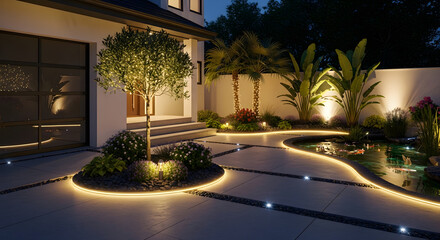
Construction Materials That Last Longer and Require Less Maintenance

Choosing the right construction materials is one of the most important decisions in any building project. While visual appeal and upfront cost often influence early choices, long-term performance ultimately determines whether a structure remains durable and cost-efficient over time. Modern construction has shifted toward materials that combine strength, longevity, and minimal maintenance requirements, allowing property owners to reduce repair expenses while maintaining a polished and functional environment. Understanding which materials perform best and why they matter can help ensure that any project stands strong for years without constant upkeep.

Durability has become a defining factor in modern construction planning because long-lasting materials contribute to both structural stability and financial savings. When materials resist weather exposure, moisture damage, and general wear, they reduce the need for frequent replacements or repairs. This approach not only protects the investment but also creates a more sustainable building process. Instead of repeatedly repairing weaker components, builders focus on solutions designed to perform consistently under varying conditions. As a result, construction projects built with longevity in mind often experience fewer disruptions and maintain their value more effectively. Learn more by visiting https://www.coenconstruction.com/.

construction

One of the primary characteristics of low-maintenance construction materials is their ability to resist environmental stress. Temperature fluctuations, humidity, and daily usage can all contribute to gradual deterioration if materials are not chosen carefully. Modern options such as engineered composites, treated metals, and reinforced structural elements are designed to withstand these challenges while maintaining their appearance. By reducing vulnerability to cracking, warping, or corrosion, these materials minimize the amount of ongoing care required. The result is a structure that remains reliable without demanding constant attention from property owners.

Another advantage of durable construction materials is the consistency they bring to long-term performance. Materials that maintain their strength and appearance over time create a more predictable maintenance schedule, allowing owners to plan future improvements without unexpected surprises. This reliability becomes especially important in high-traffic or high-use environments, where weaker materials might deteriorate quickly. By investing in components that retain their integrity, construction projects achieve a balance between durability and practicality, ensuring that the building continues to function as intended.

Several material categories have become popular choices for projects focused on longevity and minimal maintenance. These options often share common qualities such as resistance to moisture, reduced susceptibility to fading, and structural resilience. When evaluating materials, construction professionals frequently prioritize the following characteristics:

  1. Weather Resistance – Materials that can handle exposure to sunlight, rain, and changing temperatures without significant degradation.
  2. Low Porosity – Surfaces that resist absorbing water or stains, helping prevent mold growth and structural damage.
  3. Structural Stability – Products that maintain their shape and strength over time, reducing the risk of cracks or warping.

By focusing on these attributes, builders can select materials that perform reliably while reducing the need for frequent maintenance routines.

In addition to durability, modern construction emphasizes materials that simplify installation and long-term care. Pre-finished surfaces and engineered systems often come with protective coatings that reduce the need for repainting or refinishing. These innovations allow construction teams to achieve a polished appearance while minimizing future upkeep. For property owners, this means spending less time managing repairs and more time enjoying the functionality of the finished space. Efficient installation processes also contribute to cost savings by reducing labor time and minimizing material waste.

Sustainability plays a significant role in the growing preference for long-lasting construction materials. Durable materials reduce the need for frequent replacements, which in turn lowers the amount of waste generated over the lifespan of a building. Many modern products are designed to balance environmental responsibility with structural performance, offering solutions that meet both efficiency and durability goals. This shift toward sustainable construction reflects a broader industry focus on creating buildings that perform well without placing unnecessary strain on resources.

Another factor driving the popularity of low-maintenance materials is the advancement of protective technologies. Coatings and treatments designed to resist scratches, stains, and environmental damage have become increasingly common. These protective layers help preserve the original appearance of surfaces while extending their lifespan. Whether applied to structural components or decorative finishes, these innovations reduce the frequency of repairs and help maintain a consistent aesthetic over time. As technology continues to evolve, construction projects benefit from materials that combine traditional strength with modern enhancements.

While durability is essential, aesthetics remain a key consideration in material selection. Modern construction materials offer a wide range of textures and finishes that replicate natural elements while providing improved performance. Engineered products can mimic the look of wood, stone, or metal while offering greater resistance to weathering and wear. This combination allows builders to achieve high-end visual results without sacrificing practicality. By choosing materials that maintain their appearance with minimal effort, property owners can enjoy stylish spaces that continue to look fresh long after construction is complete.

The role of proper installation should never be overlooked when discussing long-lasting materials. Even the most durable products require skilled craftsmanship to perform at their best. Incorrect installation can lead to gaps, uneven surfaces, or structural weaknesses that compromise longevity. Successful construction projects emphasize precision and attention to detail, ensuring that each material functions as intended. Regular inspections during the building process help confirm that installation standards are met, reducing the likelihood of future maintenance issues.

Maintenance planning also plays an important role in maximizing the lifespan of construction materials. While low-maintenance options reduce the frequency of repairs, they still benefit from occasional care to preserve their performance. Simple practices such as routine cleaning, inspecting seals, and addressing minor issues early can extend the durability of even the toughest materials. Property owners who adopt a proactive approach to maintenance often find that their structures remain in excellent condition for much longer periods.

Modern construction projects often combine multiple durable materials to create a cohesive system that enhances overall performance. Instead of relying on a single solution, builders integrate various components that complement each other. For example, strong structural elements paired with protective exterior finishes can create a building envelope that resists environmental stress while maintaining visual appeal. This integrated approach allows each material to contribute to the overall strength and efficiency of the project, resulting in a structure that requires less ongoing care.

When selecting materials that last longer, construction professionals often evaluate them based on long-term value rather than initial cost alone. While high-performance materials may require a larger upfront investment, they frequently reduce expenses associated with repairs, replacements, and maintenance. This perspective encourages property owners to view construction as a long-term investment rather than a short-term expense. Over time, the savings achieved through reduced maintenance can significantly outweigh the initial cost difference, making durable materials a smart financial choice.

Another advantage of modern low-maintenance materials is their adaptability to different design styles and building types. Whether used in residential, commercial, or mixed-use projects, these materials provide flexibility without compromising performance. Builders can create contemporary designs or classic aesthetics while still benefiting from improved durability. This versatility makes long-lasting materials an appealing option for a wide range of construction projects, ensuring that efficiency and style go hand in hand.

Ultimately, the growing demand for construction materials that last longer and require less maintenance reflects a shift toward smarter building practices. Property owners increasingly recognize the value of investing in quality from the beginning, understanding that durable materials contribute to safety, comfort, and long-term savings. By prioritizing resilience, sustainability, and thoughtful design, modern construction projects can achieve results that remain strong and visually appealing for years to come.

As construction continues to evolve, the focus on longevity will likely remain a defining trend. Durable materials not only enhance structural performance but also simplify the ownership experience by reducing the need for constant repairs. From advanced composites to protective finishes and engineered systems, the options available today allow builders to create structures that balance strength with style. By choosing materials designed for lasting performance, construction projects can move beyond short-term solutions and embrace a future built on reliability, efficiency, and enduring value.

Decorative Concrete for Pool Decks

https://decorativeconcretesolutions.biz/

Concrete offers a combination of durability and design flexibility for pool decks. It can be colored, stained, or patterned with stamped designs that mimic natural stone.

Decorative concrete options like broom finishing, stamping and textured finishes are popular ways to make plain concrete look beautiful and unique. Each offers distinct style and texture that complements the surrounding architecture. Visit https://decorativeconcretesolutions.biz/ for more details.

Versatility

Concrete is a popular choice for pool decks because it’s incredibly durable, offers a range of color and texture options, and complements just about any style. It’s also inexpensive and easy to maintain. Revamping your old concrete pool deck with decorative resurfacing allows you to create an outdoor space that matches your lifestyle and harmonizes with your home’s architecture.

One of the most popular decorative concrete resurfacing options is stamped concrete, which involves pouring fresh concrete and imprinting it with a pre-designed template to achieve your desired look. This method is flexible in terms of design and can mimic the look of pricier materials such as slate, flagstone and limestone. It’s also cost-effective, especially when combined with a stain or coloring application.

Polished concrete is a stylish option that makes your pool deck pop with an elegant, reflective surface. It’s easy to keep clean and resists moisture, algae growth and stains. The slick finish can be slippery, however, so incorporating slip-resistance into the surface is a good idea.

Textured finishes are a great way to make your pool deck more comfortable. St. Louis spray knockdown finishes are a popular texture option that disperses heat, which can help prevent slip-and-fall accidents. Other popular textured finishes include stamped concrete, broom-finished concrete, and exposed aggregate.

A concrete pool deck that has become worn and chipped isn’t just unsightly, it can be a safety hazard. Uneven surfaces can shift and cause tripping and falling hazards, so a professional leveling process can restore your deck to a safe walking surface.

While concrete is often viewed as an uninspiring material, it can be transformed with the right resurfacing techniques. A high-quality stain or coating is a must for your new concrete pool deck. It penetrates deep into the pores, creating a protective barrier that minimizes damage from spills and chemicals, as well as UV rays and brutal freeze-thaw cycles. A quality stain also helps your deck retain its color and shine for longer.

Durability

Concrete pool decks provide the perfect blend of style and durability. When compared to high-end materials like natural stone or custom tile, they offer cost savings that help make them a popular choice for homeowners. Decorative concrete also provides the flexibility of incorporating quality coloring techniques and textural touches that can add to your patio’s design and create an inviting backyard resort.

Broom finishing, for instance, involves dragging a broom across the surface of fresh concrete to create a simple yet attractive texture and design that helps prevent slips and falls. Another popular texture is exposed aggregate, which creates a rougher surface with small stones that improves traction and grip. These finishes can be complemented with color or sealant to achieve your desired look.

When compared to pavers, concrete is also more affordable. Decorative concrete also offers the added benefit of being easier to maintain and repair if cracks occur. However, concrete is not completely maintenance-free and will require periodic sealing to protect the surface from water, chlorine, and UV rays and to avoid premature wear.

Concrete is made from a combination of Portland cement (which acts as a binder), coarse aggregate (gravel, crushed stone or pea-sized chunks), sand, and fly ash (a byproduct of coal combustion that improves the workability of the concrete). For pools, your builder will typically use an anti-slip additive to increase traction for safety.

One thing to keep in mind when selecting a concrete deck finish is that concrete can crack over time, especially if it is subjected to expansion and contraction due to seasonal changes or if it was poured unevenly. To mitigate this, a fiber reinforcement can be used in the concrete mix to minimize cracking.

In addition, a quality installer will consider the site conditions of your backyard to ensure that you have the right mix for the environment and climate. They will also have the experience necessary to create a custom concrete mix and utilize proper construction methods that will maximize the lifespan of your deck. With the proper care, a concrete pool deck can last for decades.

Safety

Concrete is a very durable material, and can be made slip-resistant with proper texturing. It is also an excellent choice for pool decks, as it is comfortable for bare feet and provides traction in a variety of weather conditions. When textured and colored, it can complement any style of backyard pool. The versatility of decorative concrete allows homeowners to achieve the aesthetic they desire for their backyard resort.

A popular way to color concrete is through broom finishing, which leaves the surface textured and speckled with shallow indentations. This type of finish is ideal for areas that receive high foot traffic, as it can withstand constant rubbing against shoes and boots.

Another option for coloring concrete is staining. Stains are applied to the concrete while it is still wet, and can be custom-colored to match your pool’s color scheme. Staining is a quick and inexpensive method for achieving a beautiful, customized look.

Other types of decorative finishes for pool decks include exposed aggregate and stamped concrete. Exposed aggregate uses coarse aggregate stone—such as granite, quartz, limestone, gravel or crushed stone, sand, and seashells—as the top layer of the finished concrete slab. This technique exposes the stones in a random pattern and creates a natural, rustic look. While it requires more regular maintenance, this texture is extremely durable and provides a safe, non-slip surface.

Stamped concrete uses a mold to imprint the design on the surface of wet concrete. The resulting patterns can range from simple geometric shapes to elaborate, flowing designs that mimic the appearance of wood grain, flagstone, brick, or other materials. This is an effective and economical way to achieve a custom look for your backyard oasis.

Unlike pavers, which can shift and settle over time, concrete is more stable and can accommodate any size of patio furniture or other outdoor living structures. It also offers a more seamless connection with your backyard landscaping.

In addition to the beauty and durability of decorative concrete, it is easy to maintain. Periodic power washing, gentle scrubbing, and sealant application keep concrete looking its best. Concrete is also a low-maintenance option that can be used to replace or resurface existing pool decks.

Style

Concrete professionals can treat both plain and colored concrete with a variety of textures and finishes to achieve decorative pool decks. They may mechanically alter the surface by sandblasting, grinding, acid etching or grounding after it sets. They may also add elements by stamping, stenciling or staining the concrete. Staining is especially effective on older decks that have become faded and discolored from sun exposure or weather damage.

When treated with the right color, concrete is an excellent choice for pool decks because it offers a wide range of options that will complement the surrounding landscape, architecture and other features. A popular treatment for concrete pool decks is what’s known as a broom finish, in which crews use a strong-bristled, horse-hair broom to brush the top of the concrete while it’s still wet. It creates a textured surface that’s slip-resistant and comfortable on bare feet.

Another textured finish that can be used on concrete pool decks is exposed aggregate. This finish reveals the pebbles and other coarse aggregate stones that are mixed into the concrete during construction. Like sandblasted and etched concrete, it’s naturally slip-resistant and provides good traction for safe footing.

Stenciling is a popular style that involves using paper stencils to outline brick, stone or tile patterns onto fresh concrete. A concrete professional can replicate the look of almost any type of paving material using this technique.

A polymer-modified overlay is another option that contractors can apply to wet concrete, while it’s still pliable. These coatings are available from a number of manufacturers and can include performance benefits such as heat- and moisture-resistance. They can also be formulated to resist algae and mildew growth.

The final way to give concrete pool decks a more distinctive look is through coloring. This can be done either with chemical stains or integral color, and it often goes hand-in-hand with other treatments such as stamping and stenciling. Many coloring methods offer a wide range of shades to choose from, allowing you to match or contrast the deck with other colors in your landscaping, your house and the other features around your outdoor space.