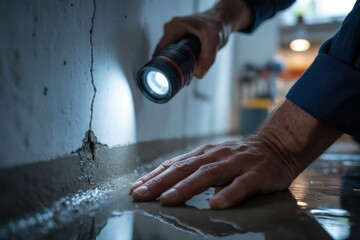
Warning Signs Your Foundation Needs Immediate Repair

foundation repair murfreesboro tn

Your foundation is a silent hero that supports the rest of your home, and it can quickly go wrong. It is important to recognize warning signs early, and get them repaired before they escalate.

While minor hairline cracks due to normal settling are usually harmless, large horizontal and diagonal or stair-step cracks are indicative of significant movement and require immediate attention. Contact Foundation Repair Murfreesboro TN for more information.

Cracks in the Walls

Few things are more unsettling than discovering that your foundation is shifting or cracking. While many of these problems won’t announce themselves with dramatic fanfare, recognizing early warning signs can help you act fast to prevent major damage and save thousands in future repair costs.

Hairline cracks in a wall are a common sign of aging, but wider cracks may indicate structural issues that require immediate attention. A professional foundation specialist will be able to assess the severity of your problem and recommend appropriate remedial actions.

Vertical cracks that travel up or down the walls of a home are another serious warning sign and should be inspected regularly for progression. These cracks typically appear near the foundation of a house and indicate that expansive soils are building up against the foundation walls. Without immediate action, these cracks will progressively widen and could potentially lead to foundation collapse.

Diagonal cracks that run at a slant (45-75 degrees) from one point on the wall to another are also a significant cause for concern. This type of crack indicates uneven settling of the foundation, which is often due to moisture fluctuations that shift the weight of the soil. If left unchecked, this uneven settling will eventually result in the concrete basement walls bowing inward and possibly even cracking. Poor site preparation during construction can also create voids beneath the foundation that can sink when weight is applied, resulting in diagonal cracking.

Uneven Floors

Uneven floors are often a sign of structural damage and need immediate repair. A slight slope in the floor can occur as a result of natural settling, but unevenness that appears to be increasing over time is more likely caused by foundation problems. When these issues are left unchecked, they can lead to major structural damage and compromise the safety of the home.

In addition to a noticeable unevenness in the floor, you may also notice that doors and windows stick or that there are gaps between the walls and flooring. These issues indicate that the foundation is shifting or sagging. In order to fix these issues, you’ll need a professional to assess the damage and make the necessary repairs.

One of the most common causes of uneven floors is moisture-related, so addressing the source of the issue should be your first priority. This may involve improving drainage with a swale or other drainage solutions and repairing any leaky pipes. Moisture can also cause wooden flooring to swell and warp, further contributing to unevenness.

If the issue is caused by a structural problem, it will probably be necessary to have your entire foundation repaired. This can include adding additional support to load-bearing walls and beams or replacing damaged or weakened floor joists. Repairing the foundation will correct the uneven floors and help to prevent future movement, making your home safer and more comfortable for you and your family.

Sagging Floors

Sagging floors aren’t just a nuisance, they are a sign that something is wrong with the foundation of your house. Leaving them untreated will only make the problem worse and cost you more money in the long run. This is because sagging floors can lead to other structural issues like mold, which is hazardous to your family’s health and lowers the property value of your home.

If you notice that there is less and less space between the baseboards and the floor or the gap is getting wider in one corner, it is a sure sign that your floors are sagging. This is caused by the deterioration of wooden support beams called floor joists. These are a critical part of the house’s structure that connects to the foundation, wall studs, and subflooring. What impacts one area will impact the others.

Some common causes of sagging floors include excessive moisture in crawl spaces, pest infestations (especially termites), improper installation, and age-related wear and tear. All of these issues are serious and can cause structural damage to your home. This is why it is important to detect these issues early and work with a reputable company to repair them as quickly as possible.

Faulty Doors

If you find your doors are getting stuck or hard to open, it could be a sign that the foundation is shifting and uneven. When the foundation shifts, the door and window frames are also affected. This may leave spaces beneath or above the frames where they once were. If you notice this, have an expert come out to assess the situation.

Often, this issue is caused by water infiltration from the outside or from inside the home. Moisture in the crawl space can rot beams and damage the structure of your home. Water infiltration also leads to mold problems that may impact your family’s health.

Many people assume that a foundation repair will be very expensive. However, professional assessments and timely action typically save homeowners thousands in future repairs. Taking the time to learn about warning signs of stone foundation problems will help you make informed decisions and protect your home’s value.

The foundation is the unsung hero of your home, quietly supporting all the walls and floors above it. It’s essential to your property and safety, but it can be challenging to recognize early warning signs when they occur. Ignoring them can lead to major damage and costly repairs down the road. Recognizing these telltale signs and seeking prompt stone foundation repair will save you money, stress, and time. It will also ensure that your home’s integrity is preserved for years to come.

Sticky Windows

A window that’s hard to open or close is more than just an inconvenience. It’s a warning sign that your home’s foundation isn’t functioning properly, and that neglecting it won’t make the problem go away; it will only get worse over time.

Stickiness is a common issue, and it can be caused by both humidity and foundation problems. The former is the most common, and occurs when moisture soaks into wooden frames, causing them to swell. Eventually, the frame may jam against window stops or latches, creating points of friction that make opening and closing difficult.

However, if the issue isn’t temporary, and your windows are sticky year-round, then there may be a bigger problem at hand. If multiple doors and windows become sticky, this could indicate that your foundation is shifting or heaving upwards due to expansive soil. As the foundation shifts, it exerts pressure on nearby walls and pushes window frames out of their initial square fit, making them harder to open.

Luckily, NYC Foundation Repair offers expert solutions that address both causes of stickiness and prevent future issues. Our foundation stabilization services correct the underlying movement in your home’s foundation, restoring its ability to support your window frames and other structural components. We use floor leveling and helical pier techniques to repair out-of-square window frames and ensure long-term stability. We also install additional supports for heaving foundations, keeping them in place and preventing future settling.

Bowing Walls

Foundation problems rarely improve on their own, and left unchecked can lead to serious structural damage. It’s crucial to recognize early warning signs like cracks, uneven floors and bowing walls so that you can schedule repairs quickly before the situation worsens.

Bowing walls are a serious sign that you need immediate stone foundation repair, and they typically occur when the support wall of your home shows signs of pulling inward or bending. This happens when the outside pressure of soil pushes against your foundation, and it requires a professional inspection and stabilization solution.

A qualified foundation specialist can use a number of methods to stabilize bowed walls, from repointing and resetting stones to installing wall anchors. In more severe cases, a foundation specialist may need to excavate and stabilize the ground around your home.

Other warning signs that your foundation needs immediate repair include sinking ground, if the area surrounding your home appears lower than other parts of your property. If you notice that doors and windows begin to stick or won’t close, this is another indication of structural movement underneath your home. This can be caused by a number of issues, including moisture, termite infestation or sagging floors, but it’s also often a sign that your foundation is in trouble. If you want to address this issue quickly, a professional can recommend and implement effective solutions.

Construction Materials That Last Longer and Require Less Maintenance

Choosing the right construction materials is one of the most important decisions in any building project. While visual appeal and upfront cost often influence early choices, long-term performance ultimately determines whether a structure remains durable and cost-efficient over time. Modern construction has shifted toward materials that combine strength, longevity, and minimal maintenance requirements, allowing property owners to reduce repair expenses while maintaining a polished and functional environment. Understanding which materials perform best and why they matter can help ensure that any project stands strong for years without constant upkeep.

Durability has become a defining factor in modern construction planning because long-lasting materials contribute to both structural stability and financial savings. When materials resist weather exposure, moisture damage, and general wear, they reduce the need for frequent replacements or repairs. This approach not only protects the investment but also creates a more sustainable building process. Instead of repeatedly repairing weaker components, builders focus on solutions designed to perform consistently under varying conditions. As a result, construction projects built with longevity in mind often experience fewer disruptions and maintain their value more effectively. Learn more by visiting https://www.coenconstruction.com/.

construction

One of the primary characteristics of low-maintenance construction materials is their ability to resist environmental stress. Temperature fluctuations, humidity, and daily usage can all contribute to gradual deterioration if materials are not chosen carefully. Modern options such as engineered composites, treated metals, and reinforced structural elements are designed to withstand these challenges while maintaining their appearance. By reducing vulnerability to cracking, warping, or corrosion, these materials minimize the amount of ongoing care required. The result is a structure that remains reliable without demanding constant attention from property owners.

Another advantage of durable construction materials is the consistency they bring to long-term performance. Materials that maintain their strength and appearance over time create a more predictable maintenance schedule, allowing owners to plan future improvements without unexpected surprises. This reliability becomes especially important in high-traffic or high-use environments, where weaker materials might deteriorate quickly. By investing in components that retain their integrity, construction projects achieve a balance between durability and practicality, ensuring that the building continues to function as intended.

Several material categories have become popular choices for projects focused on longevity and minimal maintenance. These options often share common qualities such as resistance to moisture, reduced susceptibility to fading, and structural resilience. When evaluating materials, construction professionals frequently prioritize the following characteristics:

  1. Weather Resistance – Materials that can handle exposure to sunlight, rain, and changing temperatures without significant degradation.
  2. Low Porosity – Surfaces that resist absorbing water or stains, helping prevent mold growth and structural damage.
  3. Structural Stability – Products that maintain their shape and strength over time, reducing the risk of cracks or warping.

By focusing on these attributes, builders can select materials that perform reliably while reducing the need for frequent maintenance routines.

In addition to durability, modern construction emphasizes materials that simplify installation and long-term care. Pre-finished surfaces and engineered systems often come with protective coatings that reduce the need for repainting or refinishing. These innovations allow construction teams to achieve a polished appearance while minimizing future upkeep. For property owners, this means spending less time managing repairs and more time enjoying the functionality of the finished space. Efficient installation processes also contribute to cost savings by reducing labor time and minimizing material waste.

Sustainability plays a significant role in the growing preference for long-lasting construction materials. Durable materials reduce the need for frequent replacements, which in turn lowers the amount of waste generated over the lifespan of a building. Many modern products are designed to balance environmental responsibility with structural performance, offering solutions that meet both efficiency and durability goals. This shift toward sustainable construction reflects a broader industry focus on creating buildings that perform well without placing unnecessary strain on resources.

Another factor driving the popularity of low-maintenance materials is the advancement of protective technologies. Coatings and treatments designed to resist scratches, stains, and environmental damage have become increasingly common. These protective layers help preserve the original appearance of surfaces while extending their lifespan. Whether applied to structural components or decorative finishes, these innovations reduce the frequency of repairs and help maintain a consistent aesthetic over time. As technology continues to evolve, construction projects benefit from materials that combine traditional strength with modern enhancements.

While durability is essential, aesthetics remain a key consideration in material selection. Modern construction materials offer a wide range of textures and finishes that replicate natural elements while providing improved performance. Engineered products can mimic the look of wood, stone, or metal while offering greater resistance to weathering and wear. This combination allows builders to achieve high-end visual results without sacrificing practicality. By choosing materials that maintain their appearance with minimal effort, property owners can enjoy stylish spaces that continue to look fresh long after construction is complete.

The role of proper installation should never be overlooked when discussing long-lasting materials. Even the most durable products require skilled craftsmanship to perform at their best. Incorrect installation can lead to gaps, uneven surfaces, or structural weaknesses that compromise longevity. Successful construction projects emphasize precision and attention to detail, ensuring that each material functions as intended. Regular inspections during the building process help confirm that installation standards are met, reducing the likelihood of future maintenance issues.

Maintenance planning also plays an important role in maximizing the lifespan of construction materials. While low-maintenance options reduce the frequency of repairs, they still benefit from occasional care to preserve their performance. Simple practices such as routine cleaning, inspecting seals, and addressing minor issues early can extend the durability of even the toughest materials. Property owners who adopt a proactive approach to maintenance often find that their structures remain in excellent condition for much longer periods.

Modern construction projects often combine multiple durable materials to create a cohesive system that enhances overall performance. Instead of relying on a single solution, builders integrate various components that complement each other. For example, strong structural elements paired with protective exterior finishes can create a building envelope that resists environmental stress while maintaining visual appeal. This integrated approach allows each material to contribute to the overall strength and efficiency of the project, resulting in a structure that requires less ongoing care.

When selecting materials that last longer, construction professionals often evaluate them based on long-term value rather than initial cost alone. While high-performance materials may require a larger upfront investment, they frequently reduce expenses associated with repairs, replacements, and maintenance. This perspective encourages property owners to view construction as a long-term investment rather than a short-term expense. Over time, the savings achieved through reduced maintenance can significantly outweigh the initial cost difference, making durable materials a smart financial choice.

Another advantage of modern low-maintenance materials is their adaptability to different design styles and building types. Whether used in residential, commercial, or mixed-use projects, these materials provide flexibility without compromising performance. Builders can create contemporary designs or classic aesthetics while still benefiting from improved durability. This versatility makes long-lasting materials an appealing option for a wide range of construction projects, ensuring that efficiency and style go hand in hand.

Ultimately, the growing demand for construction materials that last longer and require less maintenance reflects a shift toward smarter building practices. Property owners increasingly recognize the value of investing in quality from the beginning, understanding that durable materials contribute to safety, comfort, and long-term savings. By prioritizing resilience, sustainability, and thoughtful design, modern construction projects can achieve results that remain strong and visually appealing for years to come.

As construction continues to evolve, the focus on longevity will likely remain a defining trend. Durable materials not only enhance structural performance but also simplify the ownership experience by reducing the need for constant repairs. From advanced composites to protective finishes and engineered systems, the options available today allow builders to create structures that balance strength with style. By choosing materials designed for lasting performance, construction projects can move beyond short-term solutions and embrace a future built on reliability, efficiency, and enduring value.