Choosing the right construction materials is one of the most important decisions in any building project. While visual appeal and upfront cost often influence early choices, long-term performance ultimately determines whether a structure remains durable and cost-efficient over time. Modern construction has shifted toward materials that combine strength, longevity, and minimal maintenance requirements, allowing property owners to reduce repair expenses while maintaining a polished and functional environment. Understanding which materials perform best and why they matter can help ensure that any project stands strong for years without constant upkeep.
Durability has become a defining factor in modern construction planning because long-lasting materials contribute to both structural stability and financial savings. When materials resist weather exposure, moisture damage, and general wear, they reduce the need for frequent replacements or repairs. This approach not only protects the investment but also creates a more sustainable building process. Instead of repeatedly repairing weaker components, builders focus on solutions designed to perform consistently under varying conditions. As a result, construction projects built with longevity in mind often experience fewer disruptions and maintain their value more effectively. Learn more by visiting https://www.coenconstruction.com/.
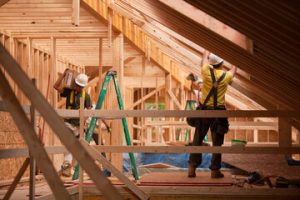
One of the primary characteristics of low-maintenance construction materials is their ability to resist environmental stress. Temperature fluctuations, humidity, and daily usage can all contribute to gradual deterioration if materials are not chosen carefully. Modern options such as engineered composites, treated metals, and reinforced structural elements are designed to withstand these challenges while maintaining their appearance. By reducing vulnerability to cracking, warping, or corrosion, these materials minimize the amount of ongoing care required. The result is a structure that remains reliable without demanding constant attention from property owners.
Another advantage of durable construction materials is the consistency they bring to long-term performance. Materials that maintain their strength and appearance over time create a more predictable maintenance schedule, allowing owners to plan future improvements without unexpected surprises. This reliability becomes especially important in high-traffic or high-use environments, where weaker materials might deteriorate quickly. By investing in components that retain their integrity, construction projects achieve a balance between durability and practicality, ensuring that the building continues to function as intended.
Several material categories have become popular choices for projects focused on longevity and minimal maintenance. These options often share common qualities such as resistance to moisture, reduced susceptibility to fading, and structural resilience. When evaluating materials, construction professionals frequently prioritize the following characteristics:
- Weather Resistance – Materials that can handle exposure to sunlight, rain, and changing temperatures without significant degradation.
- Low Porosity – Surfaces that resist absorbing water or stains, helping prevent mold growth and structural damage.
- Structural Stability – Products that maintain their shape and strength over time, reducing the risk of cracks or warping.
By focusing on these attributes, builders can select materials that perform reliably while reducing the need for frequent maintenance routines.
In addition to durability, modern construction emphasizes materials that simplify installation and long-term care. Pre-finished surfaces and engineered systems often come with protective coatings that reduce the need for repainting or refinishing. These innovations allow construction teams to achieve a polished appearance while minimizing future upkeep. For property owners, this means spending less time managing repairs and more time enjoying the functionality of the finished space. Efficient installation processes also contribute to cost savings by reducing labor time and minimizing material waste.
Sustainability plays a significant role in the growing preference for long-lasting construction materials. Durable materials reduce the need for frequent replacements, which in turn lowers the amount of waste generated over the lifespan of a building. Many modern products are designed to balance environmental responsibility with structural performance, offering solutions that meet both efficiency and durability goals. This shift toward sustainable construction reflects a broader industry focus on creating buildings that perform well without placing unnecessary strain on resources.
Another factor driving the popularity of low-maintenance materials is the advancement of protective technologies. Coatings and treatments designed to resist scratches, stains, and environmental damage have become increasingly common. These protective layers help preserve the original appearance of surfaces while extending their lifespan. Whether applied to structural components or decorative finishes, these innovations reduce the frequency of repairs and help maintain a consistent aesthetic over time. As technology continues to evolve, construction projects benefit from materials that combine traditional strength with modern enhancements.
While durability is essential, aesthetics remain a key consideration in material selection. Modern construction materials offer a wide range of textures and finishes that replicate natural elements while providing improved performance. Engineered products can mimic the look of wood, stone, or metal while offering greater resistance to weathering and wear. This combination allows builders to achieve high-end visual results without sacrificing practicality. By choosing materials that maintain their appearance with minimal effort, property owners can enjoy stylish spaces that continue to look fresh long after construction is complete.
The role of proper installation should never be overlooked when discussing long-lasting materials. Even the most durable products require skilled craftsmanship to perform at their best. Incorrect installation can lead to gaps, uneven surfaces, or structural weaknesses that compromise longevity. Successful construction projects emphasize precision and attention to detail, ensuring that each material functions as intended. Regular inspections during the building process help confirm that installation standards are met, reducing the likelihood of future maintenance issues.
Maintenance planning also plays an important role in maximizing the lifespan of construction materials. While low-maintenance options reduce the frequency of repairs, they still benefit from occasional care to preserve their performance. Simple practices such as routine cleaning, inspecting seals, and addressing minor issues early can extend the durability of even the toughest materials. Property owners who adopt a proactive approach to maintenance often find that their structures remain in excellent condition for much longer periods.
Modern construction projects often combine multiple durable materials to create a cohesive system that enhances overall performance. Instead of relying on a single solution, builders integrate various components that complement each other. For example, strong structural elements paired with protective exterior finishes can create a building envelope that resists environmental stress while maintaining visual appeal. This integrated approach allows each material to contribute to the overall strength and efficiency of the project, resulting in a structure that requires less ongoing care.
When selecting materials that last longer, construction professionals often evaluate them based on long-term value rather than initial cost alone. While high-performance materials may require a larger upfront investment, they frequently reduce expenses associated with repairs, replacements, and maintenance. This perspective encourages property owners to view construction as a long-term investment rather than a short-term expense. Over time, the savings achieved through reduced maintenance can significantly outweigh the initial cost difference, making durable materials a smart financial choice.
Another advantage of modern low-maintenance materials is their adaptability to different design styles and building types. Whether used in residential, commercial, or mixed-use projects, these materials provide flexibility without compromising performance. Builders can create contemporary designs or classic aesthetics while still benefiting from improved durability. This versatility makes long-lasting materials an appealing option for a wide range of construction projects, ensuring that efficiency and style go hand in hand.
Ultimately, the growing demand for construction materials that last longer and require less maintenance reflects a shift toward smarter building practices. Property owners increasingly recognize the value of investing in quality from the beginning, understanding that durable materials contribute to safety, comfort, and long-term savings. By prioritizing resilience, sustainability, and thoughtful design, modern construction projects can achieve results that remain strong and visually appealing for years to come.
As construction continues to evolve, the focus on longevity will likely remain a defining trend. Durable materials not only enhance structural performance but also simplify the ownership experience by reducing the need for constant repairs. From advanced composites to protective finishes and engineered systems, the options available today allow builders to create structures that balance strength with style. By choosing materials designed for lasting performance, construction projects can move beyond short-term solutions and embrace a future built on reliability, efficiency, and enduring value.