Metal Fabrication Boise Idaho has long stood at the intersection of craftsmanship and innovation, shaping the structures, tools, and technologies that define modern life. From the earliest forged components to today’s precision-engineered systems, the industry has transformed dramatically, responding to advances in technology, changing design expectations, and the growing demand for efficiency. As industries evolve and architectural styles shift, metal fabrication continues to play a central role in building the future. It is no longer viewed solely as an industrial process; instead, it has become a dynamic field that blends creativity, engineering, and forward-thinking solutions.
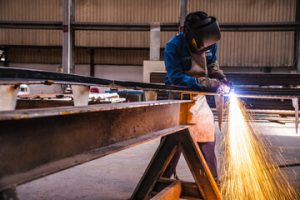
In today’s fast-paced world, the expectations surrounding metal fabrication have expanded significantly. Clients and designers are no longer satisfied with standard components that simply perform a function. They seek customized solutions that integrate seamlessly into broader design visions. This shift has pushed fabricators to adopt advanced methods that allow for greater precision and adaptability. Modern fabrication environments often rely on digital modeling, automated cutting tools, and refined finishing techniques that enhance both performance and aesthetics. The result is a process that balances traditional metalworking expertise with cutting-edge innovation, delivering results that were once difficult to achieve.
One of the most notable changes in metal fabrication is the growing emphasis on customization. Modern projects often require components that fit unique dimensions, complex geometries, or specialized functions. Fabrication has evolved to accommodate these demands by offering tailored solutions that align with specific design goals. Customization allows architects, builders, and designers to explore new possibilities without being limited by standardized materials. Whether creating structural elements, decorative features, or specialized mechanical parts, fabrication services have become essential partners in bringing ambitious ideas to life.
Technology has played a transformative role in reshaping the metal fabrication landscape. Advanced machinery has significantly improved accuracy and efficiency, allowing fabricators to produce intricate designs with minimal material waste. Automation has streamlined repetitive tasks while freeing skilled professionals to focus on creative problem-solving and quality control. Digital design platforms enable precise planning, ensuring that each component is engineered to exact specifications before production even begins. These technological advancements have not only increased productivity but have also elevated the level of craftsmanship achievable within the industry.
As sustainability becomes a greater priority across industries, metal fabrication has adapted to meet environmental expectations. Fabricators are increasingly exploring ways to minimize waste, recycle materials, and optimize energy usage throughout the production process. Steel and other metals offer the advantage of being recyclable without losing structural integrity, making them valuable choices for projects focused on long-term environmental responsibility. By implementing efficient fabrication methods and embracing sustainable practices, the industry contributes to a future where durability and eco-consciousness go hand in hand.
The evolving world of metal fabrication is also influenced by changing architectural trends. Modern design often favors clean lines, open spaces, and materials that convey strength without sacrificing elegance. Fabricated metal elements fit seamlessly into this aesthetic, providing structural support while enhancing visual appeal. From sleek staircases and railings to intricate facades and decorative panels, fabricated metal components help shape the character of contemporary spaces. Their adaptability allows designers to experiment with form and texture, creating environments that feel both innovative and timeless.
Another important factor driving change within the industry is the growing demand for efficiency and scalability. Projects today often operate under tight timelines and require consistent quality across multiple components. Fabricators have responded by refining workflows and integrating advanced planning strategies that reduce delays and ensure reliable outcomes. By combining skilled craftsmanship with efficient production methods, modern fabrication facilities can meet large-scale demands without compromising attention to detail. This balance between speed and precision has become a defining characteristic of successful fabrication operations.
To better understand the direction of the industry, it is helpful to consider some of the key trends shaping modern metal fabrication:
- Digital Integration: The use of advanced design software and automated equipment has transformed fabrication into a highly precise and data-driven process, enabling complex designs to be executed with remarkable accuracy.
- Collaborative Design Approaches: Fabricators increasingly work alongside architects, engineers, and designers from the early stages of a project, ensuring that fabricated components align seamlessly with overall design intentions.
These trends highlight how fabrication has shifted from a reactive process to a proactive collaboration that influences design outcomes from the very beginning.
The human element remains a vital part of metal fabrication despite technological advancements. Skilled fabricators bring years of experience and craftsmanship to each project, ensuring that every weld, cut, and finish meets high standards. While automation has enhanced efficiency, it has not replaced the value of expertise. Instead, technology and craftsmanship now work together, allowing professionals to achieve levels of precision and creativity that were previously unattainable. This combination of skill and innovation continues to drive the industry forward, preserving its artisanal roots while embracing modern possibilities.
Safety and quality assurance are also central to the evolution of metal fabrication. Modern fabrication environments prioritize rigorous testing and inspection processes to ensure that every component performs as intended. Improved safety protocols protect workers while maintaining consistent production standards. This focus on reliability has strengthened trust in fabricated metal products across industries, reinforcing their role in critical applications where performance and durability are essential.
The versatility of metal fabrication extends beyond construction and architecture. It plays a significant role in manufacturing, transportation, energy systems, and countless other sectors that rely on durable and precisely engineered components. As industries explore new technologies and design philosophies, fabricators must continually adapt to meet evolving requirements. This adaptability has become one of the industry’s greatest strengths, enabling it to remain relevant in a rapidly changing world.
Innovation within metal fabrication is not limited to tools and machinery; it also includes advancements in finishing techniques and material treatments. Modern finishes can enhance corrosion resistance, improve visual appeal, and extend the lifespan of fabricated components. Textured surfaces, unique coatings, and refined polishing methods allow metal to serve both functional and decorative purposes. These enhancements contribute to the growing perception of fabricated metal as a design-forward material rather than merely a structural necessity.
Another defining characteristic of the evolving fabrication landscape is the emphasis on problem-solving. Each project presents unique challenges, from complex load requirements to aesthetic considerations. Fabricators must think creatively, balancing technical constraints with design goals. This problem-solving mindset has elevated the role of metal fabrication professionals, positioning them as integral contributors to project success rather than behind-the-scenes technicians. Their ability to translate concepts into tangible solutions underscores the importance of collaboration and innovation within the field.
Looking ahead, several factors are likely to continue shaping the future of metal fabrication:
- Integration With Smart Technologies: As automation and digital monitoring tools become more advanced, fabrication processes will become increasingly efficient and precise, reducing waste while improving performance.
- Expanding Design Possibilities: Advances in cutting and forming techniques will enable even more complex and artistic metal components, encouraging designers to push creative boundaries.
These developments suggest that metal fabrication will remain a cornerstone of modern design and manufacturing, evolving alongside the technologies and ideas that drive progress.
In conclusion, the evolving world of metal fabrication reflects a broader shift toward innovation, sustainability, and creative expression. What was once viewed as a purely industrial process has transformed into a collaborative and design-driven discipline that shapes the spaces and technologies of tomorrow. Through the integration of advanced tools, sustainable practices, and skilled craftsmanship, metal fabrication continues to redefine what is possible. As industries seek solutions that combine strength, precision, and visual impact, fabricated metal stands ready to meet the challenges of a rapidly changing future—proving that the art of shaping metal is, in many ways, the art of shaping tomorrow itself.